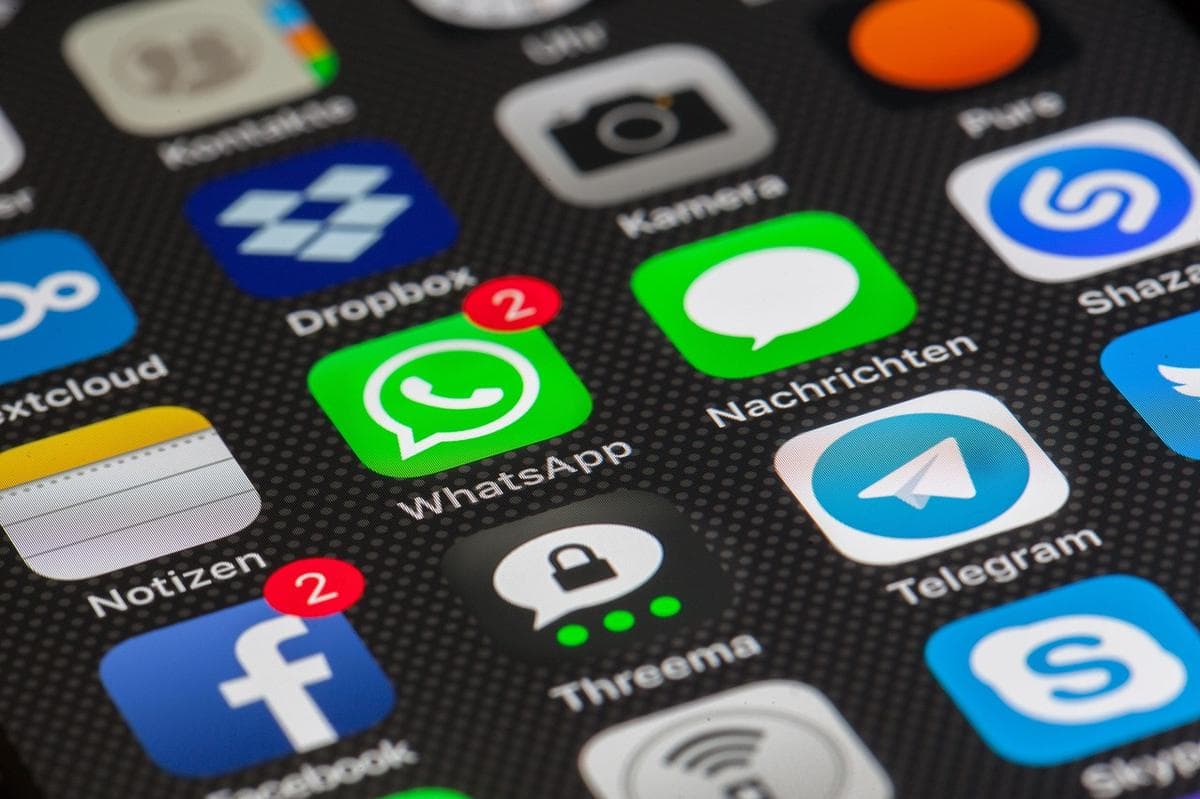
In mid-June 2026, millions of people in India suddenly couldn't open Telegram. Within hours, VPN downloads spiked to one of their highest levels in over a year. Here's what actually happened. We'll cover why a VPN became the go-to workaround, and the honest caveats worth knowing.
What happened
India's Ministry of Electronics and Information Technology (MeitY) ordered a temporary block of Telegram from around 16 to 22 June 2026. It used Section 69A of the IT Act. The request came from the National Testing Agency. The agency wanted to stop bad actors from using the app to spread fake or leaked papers before the re-NEET-UG medical entrance exam on 21 June. Reports say Telegram's message-editing feature stayed restricted a little longer. Crucially, the government framed this as temporary. There was no stated plan to ban Telegram for good.
Why VPN downloads surged
When an app is blocked at the network level, your internet provider stops your connection from reaching the app's servers. This is usually done through DNS or IP filtering. A VPN gets around that. It routes your traffic through a server in another country first. Your provider only sees an encrypted connection to the VPN, not the blocked app. According to reporting, the block drove one of India's biggest days for VPN app downloads in over a year.
This is the same method a traveller uses to reach a home service from abroad. The network sees the VPN. And the destination sees the VPN's location, not yours.
The honest legal caveat
Using a VPN is legal in India. But getting around a specific Section 69A block is a grey area. It may carry legal risk, so it's worth being careful. This article explains the situation and the technology. It isn't legal advice. The block was temporary and lifted around 22 June. So for many people, the lowest-risk option was simply to wait it out, or follow official guidance.
The bigger lesson: keep a VPN ready
Sudden, temporary blocks like this are exactly why a lot of people keep a VPN installed year-round. App-level or country-level limits can appear with little warning. This can happen for an exam, an election, unrest, or while travelling. And once a block hits, downloading new apps can itself get harder. Having a trusted VPN already installed means you keep your options open.
If you're choosing one for this kind of situation, the traits that matter are:
- A large server network - so you can connect through a nearby country that isn't applying the block.
- Modern, fast protocols (like WireGuard) - a block is no help to you if the connection is too slow to use.
- A clear, audited no-logs policy - you're trusting the VPN with all your traffic.
- Reliability under load - blocks create sudden demand spikes, and weaker providers buckle.
The takeaway
Telegram's June 2026 block in India was temporary and exam-related, not a permanent ban. But it was a vivid reminder of how quickly access can change. A VPN restores access by tunnelling around network-level blocks. The honest caveat is that getting around a specific legal order carries its own risk. The practical move is to keep a reliable, no-logs VPN installed before you need it.
Going further. Related reading: VPN for ChatGPT, Best VPN for China 2026, VPN Cuba 2026 and VPN on hotel WiFi.
Stay connected anywhere with NordVPN
Obfuscated servers for restrictive networks · 60+ countries · 30-day money-back


