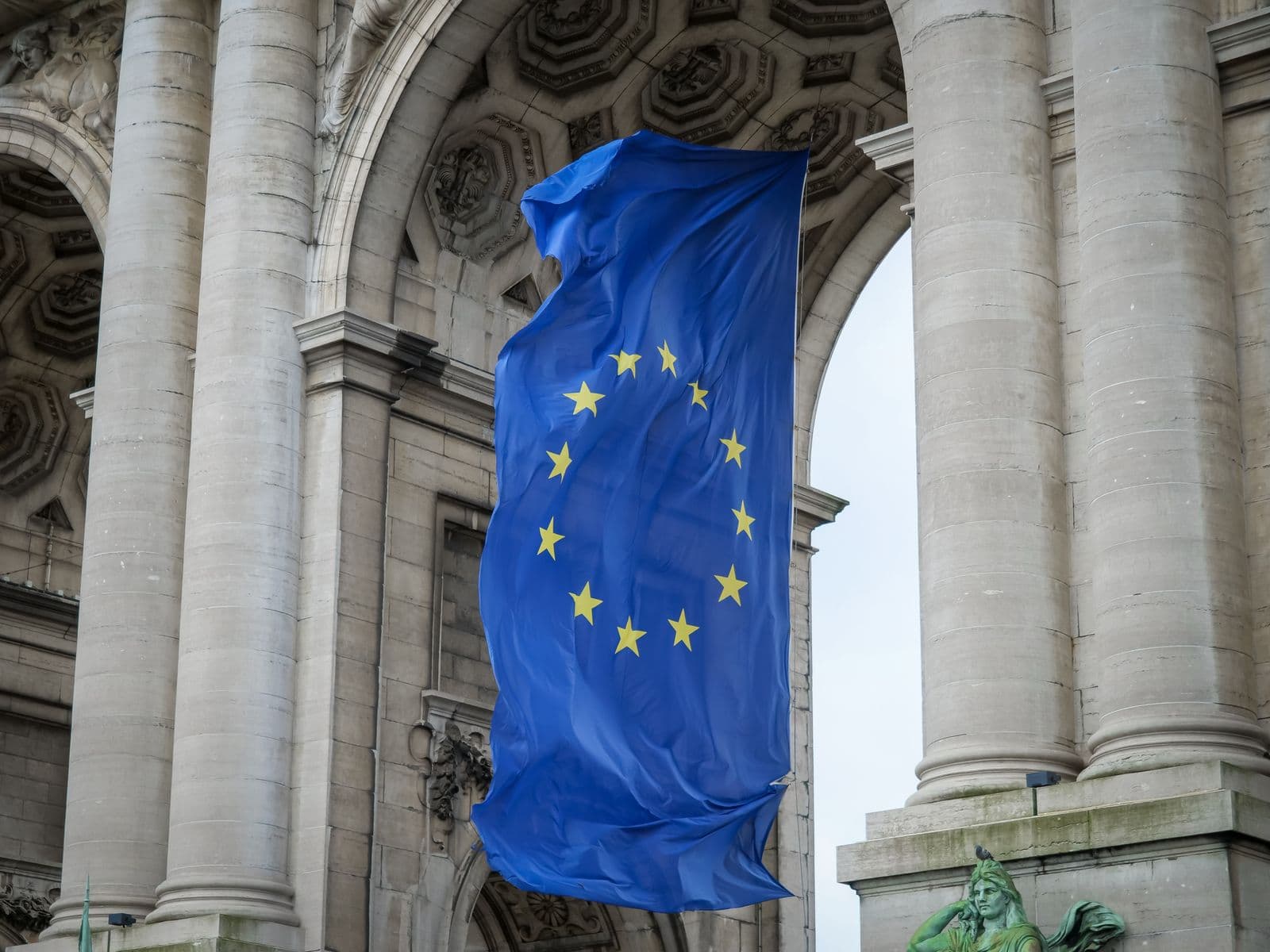
If you have seen headlines or social posts claiming the EU is about to ban VPNs - or force an "internet passport" on everyone - you are not alone, and searches for exactly that have spiked. Here is the honest, checked version: the EU is not banning VPNs. But the story did not come from nowhere, and there is a real development underneath the noise worth understanding.
The short answer: no ban
Let us be clear up front, because the misinformation is spreading fast. The European Union is not banning VPNs, and it is not requiring a passport to access the internet in general. Fact-checkers, including Euronews, have specifically pushed back on those claims. Using a VPN remains legal across the EU, exactly as it was. If you only take one thing away: "the EU is banning VPNs" is not true.
What the EU is actually doing
What is real is narrower and more specific. The European Commission is preparing an age-verification app, expected to roll out around the end of 2026, to help stop minors accessing age-inappropriate content. To prove their age, users would verify with an official identity document - a passport or national ID card - or through a national digital identity wallet. Commission President Ursula von der Leyen framed it as the online equivalent of a shop asking for proof of age when you buy alcohol.
That is an age-check system, not a VPN ban. The two got tangled together for one reason.
Why VPNs got dragged in
Because a VPN changes your apparent location, it is often seen as a way to sidestep country-based online rules. In this case, a Commission official reportedly said the new age-verification system "cannot be bypassed via VPN," and some commentators went further, arguing that VPN access should be restricted to adults. That framing - treating VPNs as a loophole to be closed - is what turned an age-verification announcement into "EU VPN ban" headlines.
It is important to keep the categories straight: an official saying a system should not be bypassable by VPN, or a pundit floating restrictions, is a debate and a signal - not a proposed law that bans VPNs.
The bigger pattern
If this feels familiar, it should. The same collision keeps happening around the world: age-verification rules meet VPNs, and VPNs get named as the workaround. We have covered it in Australia, New Zealand and the UK. The EU is the latest to reach this point, and the responses differ by country - but the underlying tension, age checks versus VPNs, is now a recurring theme rather than a one-off.
What it means for you
Two things are true at once. Your VPN is still legal and still useful in the EU - for privacy, for security on public Wi-Fi, and for accessing your own services while travelling. And a VPN was never a real way around an ID-based age check anyway: it hides your location, not your identity, so it does nothing to answer a prompt that asks for a passport or national ID.
The honest bottom line: do not believe the "EU is banning VPNs" headlines - it is not. But VPNs are increasingly named in the age-verification debate, so this is a space worth watching rather than panicking over. For everyday privacy, a reputable VPN remains a legitimate, legal tool.
Stay connected anywhere with NordVPN
Obfuscated servers for restrictive networks · 60+ countries · 30-day money-back


